Expertise
Areas of Expertise
Comprehensive Oral and Facial Treatments
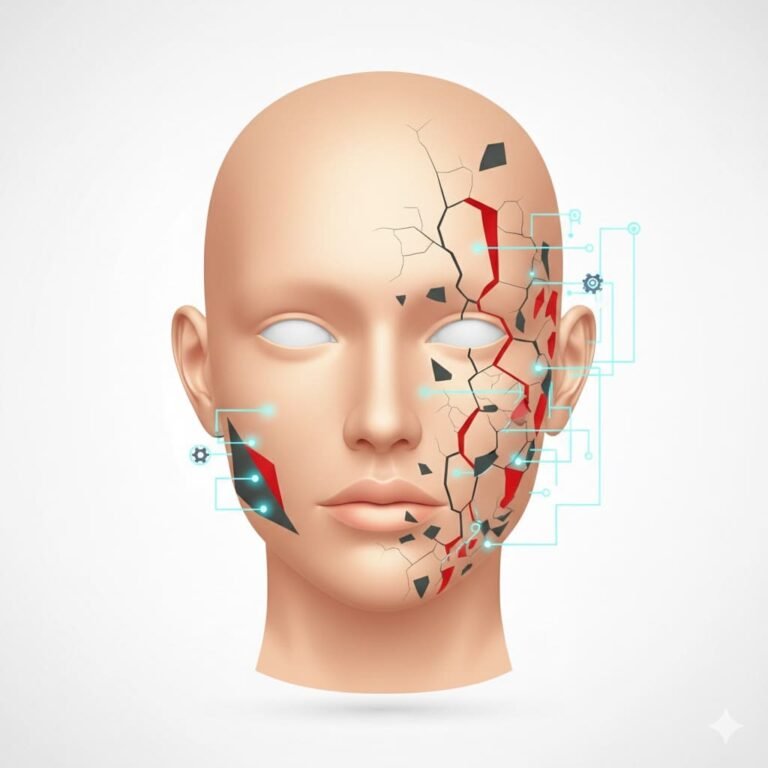
Facial Trauma & Fracture Management

Expert management of facial injuries caused by accidents, falls, or trauma. Dr. Sabnis provides precise reconstruction to restore function, symmetry, and appearance.
What is facial trauma and how does it occur?
Facial trauma includes injuries to the jaw, cheekbone, nose, or other facial bones due to accidents, falls, or sports injuries. These injuries can affect appearance, breathing, speaking, and normal facial function.
What treatment options are available for facial fractures?
Treatments may include repositioning the bones, fixing plates and screws, or surgical realignment. The goal is to restore both facial appearance and proper function such as chewing and breathing.
Will there be visible scars after surgery?
Most surgeries are done through hidden incisions inside the mouth or natural creases, so scarring is minimal or almost invisible.
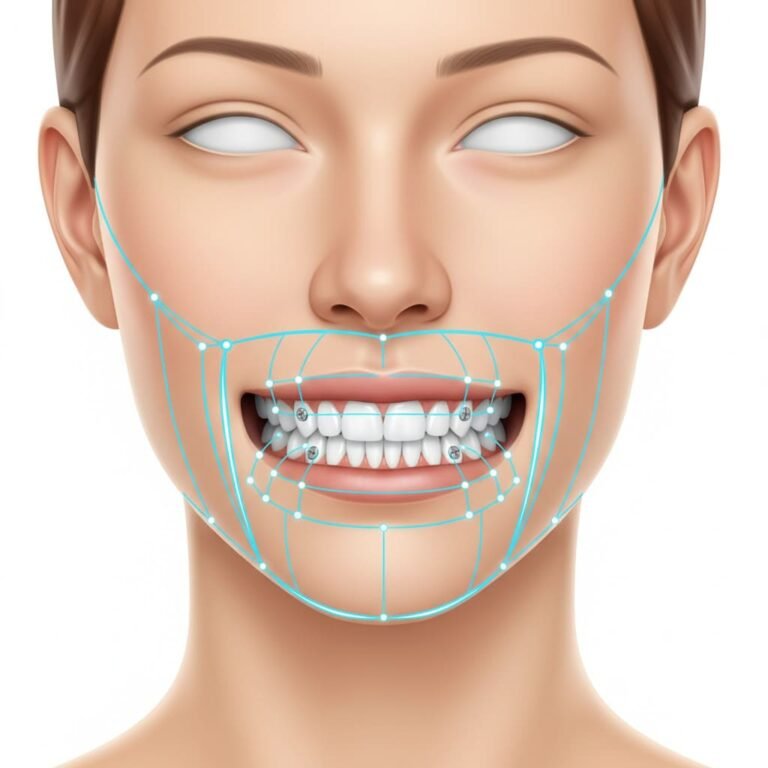
Orthognathic (Corrective Jaw) Surgery
Corrective jaw surgery improves bite alignment, chewing, speech, and facial balance. It helps treat jaw deformities caused by growth issues, trauma, or functional problems.
What is corrective jaw surgery?
Orthognathic surgery corrects misaligned jaws that cause bite problems, facial imbalance, breathing issues, or difficulty chewing. It improves both function and overall facial appearance.
Who needs jaw correction surgery?
Patients with underbite, overbite, open bite, facial asymmetry, or sleep apnea may require this surgery when orthodontics alone cannot fix the issue.
How long does recovery take?
Most patients return to normal routine in 2–3 weeks, but complete bone healing may take 3–6 months.
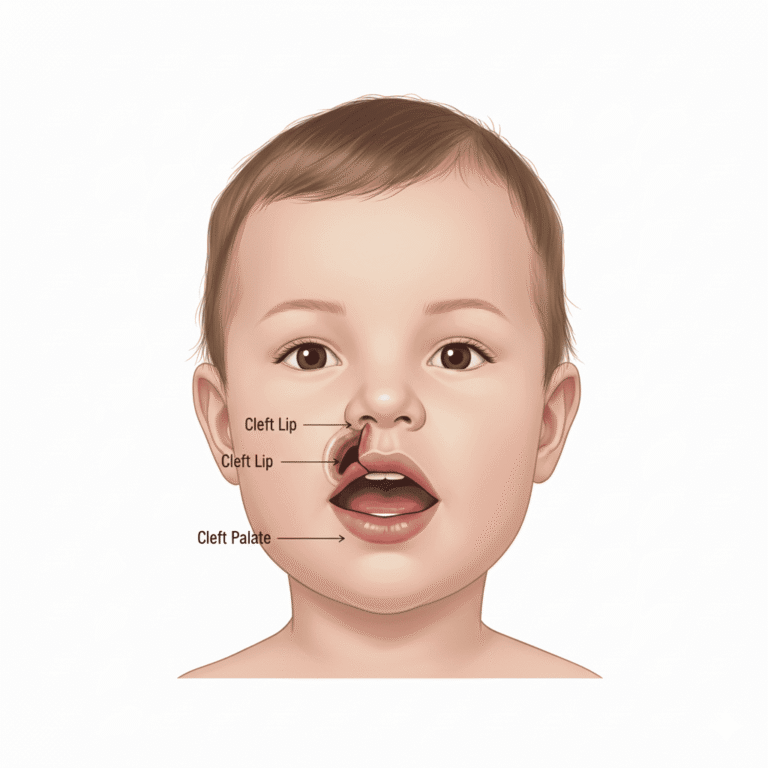
Cleft Lip & Palate Reconstruction Surgery
Specialized correction of congenital cleft lip and palate conditions. Treatment focuses on improving appearance, speech, feeding, and long-term facial development.
What is cleft lip and palate?
It is a birth condition where the upper lip or palate does not form completely, affecting appearance, feeding, speech, and dental development.
What improvements can surgery provide?
Surgery restores lip and palate structure, improves feeding, speech, breathing, and enhances facial appearance.
How successful is cleft surgery?
With modern techniques, results are excellent and children can grow up with normal function and appearance.
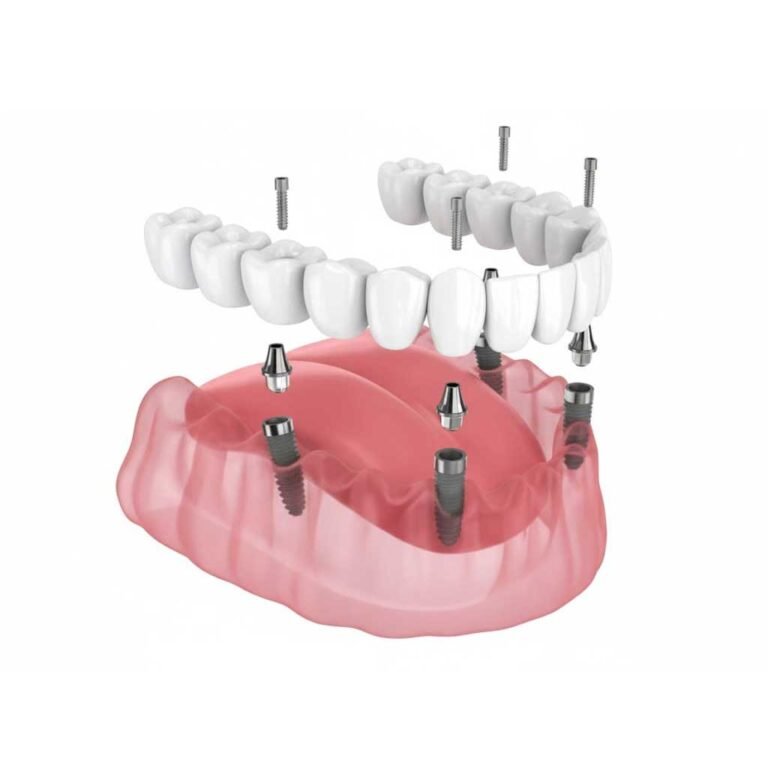
Dental & Maxillofacial Implants
Implants replace missing teeth with durable, natural-looking solutions. Dr. Sabnis performs advanced implant procedures including full-arch and complex cases.
Who is eligible for implants?
Patients with healthy gums, good bone density, and missing teeth are ideal candidates. Smokers or patients with medical conditions may require evaluation before treatment.
Is implant surgery safe?
Yes, it is a proven and predictable procedure with high success rates when performed by a trained maxillofacial surgeon.
Does getting implants hurt?
Most patients experience minimal discomfort, and healing is usually smooth with proper guidance.
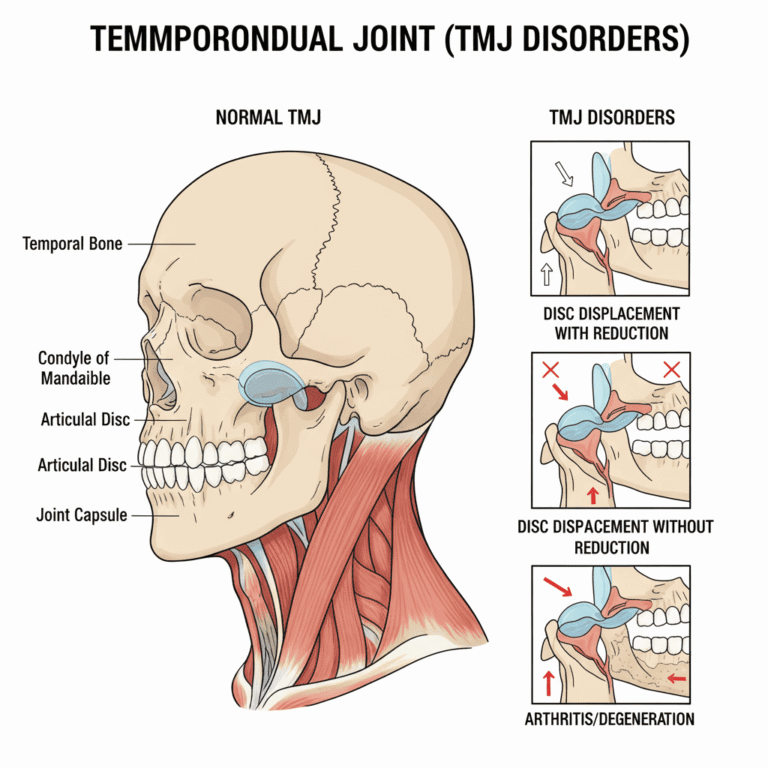
Temporomandibular Joint (TMJ) Disorders
Specialized diagnosis and treatment for jaw pain, clicking, locking, and joint dysfunction. Treatments range from conservative therapy to minimally invasive procedures.
What causes TMJ disorders?
TMJ problems arise from jaw misalignment, arthritis, teeth grinding, or injury. It leads to pain near the ear and difficulty opening the mouth.
What are the symptoms?
Symptoms include jaw pain, clicking sounds, headaches, ear pain, and limited mouth opening.
How are TMJ disorders treated?
Treatments include medications, physiotherapy, bite splints, lifestyle changes, or minimally invasive procedures like TMJ arthroscopy.
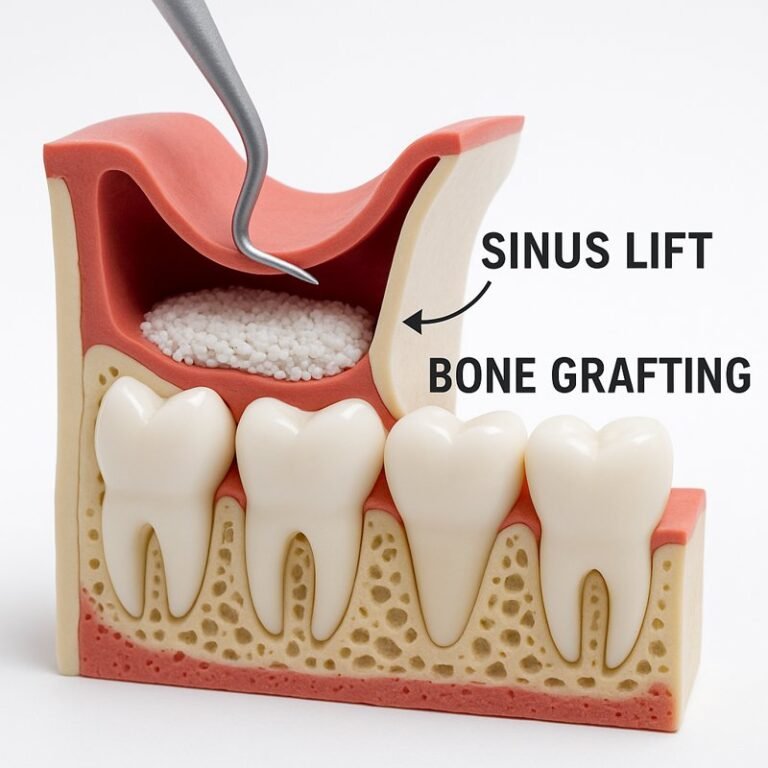
Bone Grafting & Pre-Implant Surgery
Bone grafting restores lost bone in the jaw, making it suitable for dental implants. These procedures ensure strong support for long-term implant success.
Why is bone grafting needed?
Bone grafting rebuilds the jawbone when it is too thin or weak to support dental implants.
Where does the bone graft come from?
Bone may come from your own body, synthetic materials, or specially prepared donor bone.
How long before implants can be placed?
Healing usually takes 3–6 months depending on the type of graft.
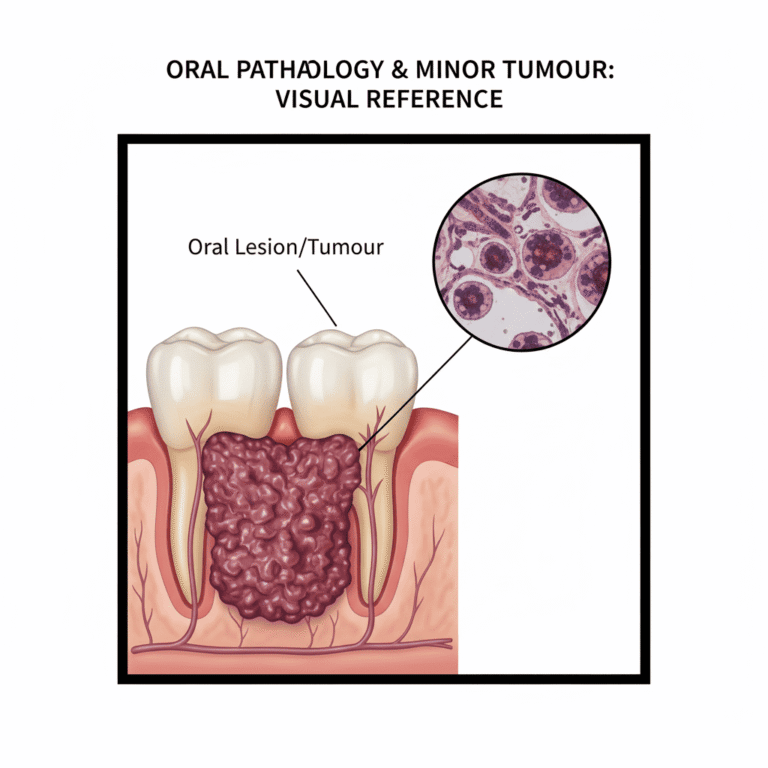
Oral Pathology & Minor Tumour Surgery
Early diagnosis and surgical treatment of oral cysts, tumors, and lesions. Focused on safe removal while preserving healthy tissue and oral function.
What is oral pathology?
It deals with diseases of the mouth such as cysts, tumors, ulcers, and other abnormal growths.
How are oral tumours diagnosed?
Diagnosis involves clinical examination, imaging, and biopsy to determine if the lesion is benign or malignant.
Is surgery necessary for all oral tumours?
Not always. Some benign tumours only need monitoring, while others require removal to prevent complications.
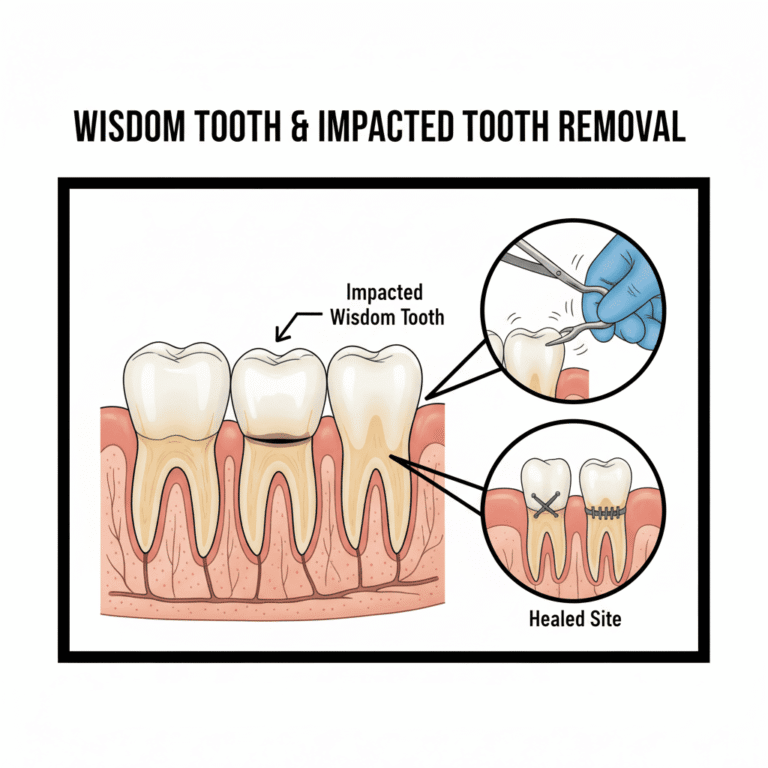
Wisdom Tooth & Impacted Tooth Removal
Safe and comfortable removal of impacted or problematic wisdom teeth. Helps prevent pain, infection, swelling, and long-term dental complications.
Why do wisdom teeth become problematic?
They may not have enough space to grow, causing pain, swelling, infection, or pressure on other teeth.
When should wisdom teeth be removed?
Removal is advised when they cause pain, infection, decay, or crowding or if they are impacted.
Is wisdom tooth surgery painful?
The procedure is done under anesthesia, making it painless. Mild soreness after surgery is normal and manageable.